
It’s been an exciting 2026 Winter Olympics in Italy! And if you haven’t tuned in yet, it’s not too late! To see the best in the world compete every 4 years for 1 chance at gold is truly special. The glamour and glory of winning gold or setting new records is magical to witness, but what I’m interested in is HOW they got there. What we don’t see…
The early mornings.
The boring reps.
The consistency when no one is watching.
The habits.
At R3, we work with active adults, athletes, and high performers who want to move better, stay strong, and keep doing what they love. And the truth is this:
You don’t need to train like an Olympian.
But you should think like one.
Here are the habits and lessons from the best in the world — and how you can apply them to
your own performance and longevity.
1. Consistency Beats Intensity
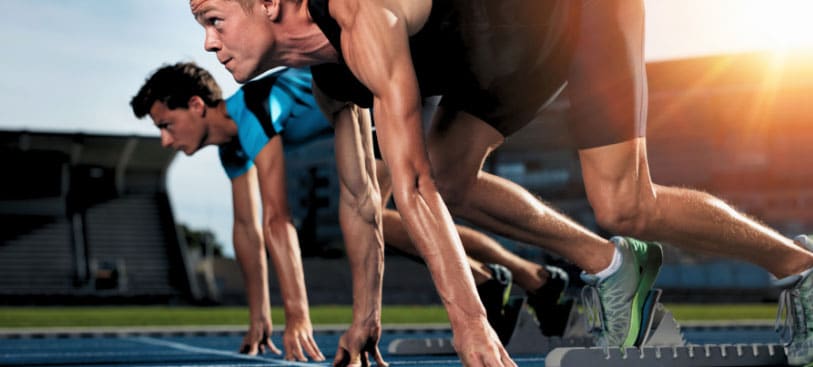
Olympians don’t rely on motivation.
They rely on routine.
The most elite athletes show up day after day — even when they’re tired, sore, or not “feeling
it.” They understand that small efforts compounded over time create massive results.
What this means for you:
- 2–3 strength sessions per week > random intense workouts
- Short mobility routines done daily > occasional long sessions
- Structured programming > guessing in the gym
At R3, we emphasize progressive loading and intelligent programming because that’s what
builds durable strength
2. They Obsess Over the Fundamentals
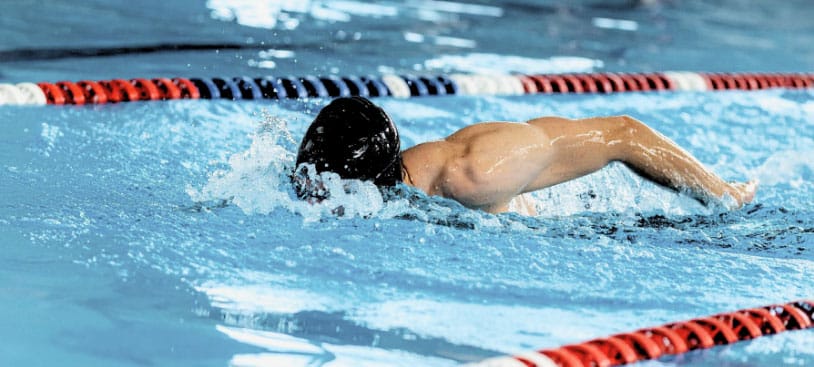
Elite athletes don’t skip basics. They master them.
A sprinter drills mechanics.
A weightlifter refines bar path.
A swimmer repeats stroke technique thousands of times.
The difference between good and great often comes down to how well someone executes
the fundamentals under fatigue.
For active adults:
- Squat mechanics matter.
- Hip control matters.
- Breathing patterns matter.
- Landing mechanics matter.
We often see injuries happen not because someone “did too much,” but because
foundational movement quality wasn’t there under load.
Strength + mechanics = longevity.
3. Recovery Is Part of Training
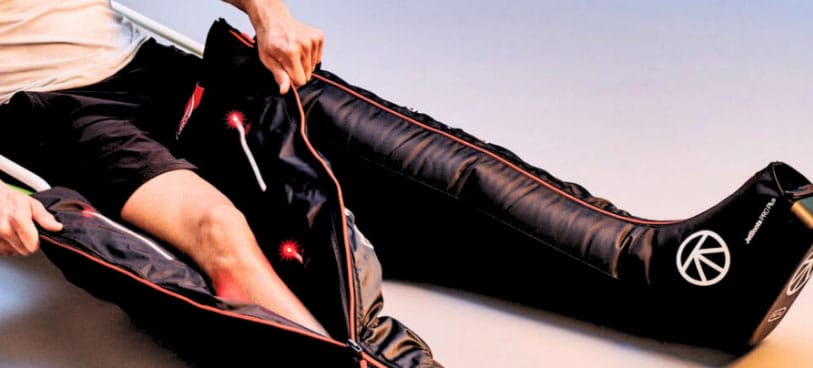
The best in the world train hard — but they recover just as intentionally.
Recovery isn’t passive. It’s strategic.
Olympians prioritize:
- Sleep
- Nutrition
- Mobility work
- Manual therapy
- Regeneration modalities
They don’t wait until something breaks.
For our active clients:
If you only focus on workouts but ignore sleep, mobility, and tissue care, you’re leaving
performance (and resilience) on the table.
Think of recovery as performance insurance.
4. They Train in Phases, Not Emotions
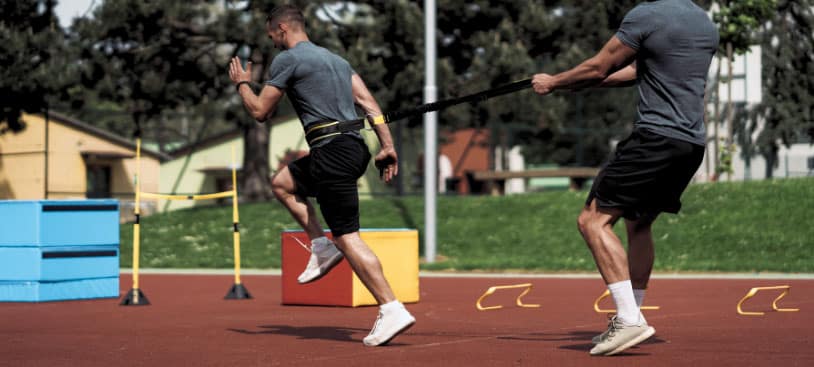
Olympians follow structured cycles:
- Base phase
- Strength phase
- Power phase
- Taper
They don’t max out every week.
They build.
Then peak.
Application for you:
- Not every workout should be your hardest.
- Some phases focus on capacity.
- Others focus on intensity.
- Some are deload and adaptation.
This is especially important for active adults balancing work, family, and training. Smart
periodization keeps you progressing without constantly digging a recovery hole.
5. They Surround Themselves With Experts
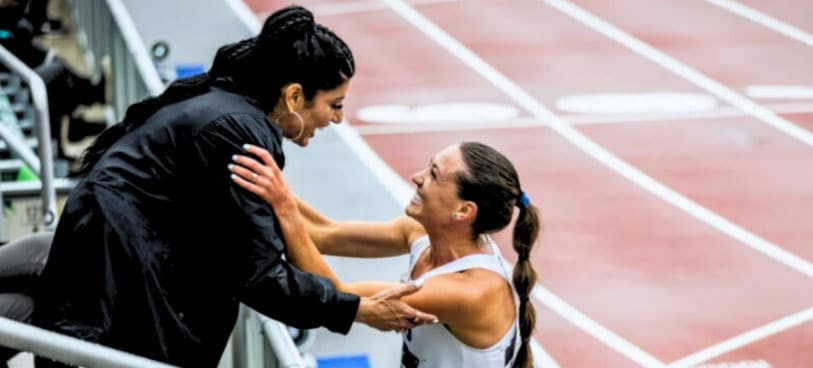
No Olympian does it alone.
They have:
- Coaches
- Strength specialists
- Sports medicine providers
- Recovery teams
Why? Because feedback accelerates progress.
For active adults, this might mean:
- Getting movement assessed instead of guessing.
- Having structured programming.
- Addressing small limitations before they become big problems.
The right guidance shortens the path.
6. They Build Mental Resilience
Elite athletes understand discomfort.
They don’t panic when training feels hard.
They don’t quit when progress slows.
They trust the process.
Mental resilience isn’t about hype. It’s about perspective.
For active adults:
- Strength takes time.
- Movement capacity builds gradually.
- Setbacks happen — but they’re rarely permanent.
The key is staying committed to the long game.
7. They Focus on Longevity, Not Just Short-Term Performance
The best athletes in the world are not just powerful — they are durable. Oftentimes making it
to 3+ Olympic games over the course 10+ years.
Durability is built from:
- Strong connective tissue
- Balanced strength
- Controlled mobility
- Efficient mechanics
At R3, our philosophy of Rehab | Regen | Redefine mirrors this idea:
- Rehab: Restore capacity and movement quality
- Regen: Support tissue adaptation and recovery
- Redefine: Build strength and resilience beyond baseline
The goal isn’t just to “get back.”
It’s to come back stronger.
Bringing Olympic Habits Into Your Life
You don’t need an Olympic podium to train like a professional.
Start here:
- Train consistently.
- Respect the fundamentals.
- Treat recovery as part of the plan.
- Build in phases.
- Get expert feedback.
- Stay patient.
The difference between people who stay active for decades and those who cycle through
frustration often comes down to habits — not talent.
The Olympics showcase performance.
But behind every performance is structure, discipline, and smart progression.
And those habits?
They’re available to anyone willing to build them.
If you’re an active adult who wants to train smarter, move better, and build resilience for the long term — that’s exactly what we do at R3.
Need Help Now?
At R3 Athletic & Physical Therapy, we specialize in helping runners recover faster and stay injury-free—without relying on medications or surgery.
We offer a FREE Discovery Visit to help you figure out what’s going on, why it’s happening, and what you can do about it.
👉 Book your free visit today and take the first step toward a pain-free future.